Introduction
I never gave much thought to what I wore during workouts until recently. The realization came during a series of early morning sessions at the Kennedy Center, where the combination of physical exertion and environmental factors made me reconsider everything about athletic apparel. As someone who divides time between various fitness locations, including programs associated with Forsyth County Schools, I began noticing how clothing could either enhance or hinder the experience of movement. This wasn’t about fashion or brand loyalty—it was about how fabric interacts with the body during different types of physical activity, something I had taken for granted for years.
The journey toward this awareness started subtly, with small discomforts I had learned to ignore. A shirt that felt heavy after twenty minutes of cardio, another that restricted movement during stretching, a third that left me feeling damp and chilled between exercises. These minor annoyances accumulated until they became impossible to overlook, particularly during longer sessions or when moving between indoor and outdoor environments. I didn’t realize at the time that paying attention to these details would fundamentally change my approach to choosing workout gear.
What began as simple observation evolved into a more thoughtful examination of how clothing functions during physical activity. The relationship between fabric, fit, and performance became increasingly apparent during various exercises, from weight training to cardio intervals. This process of noticing and reflecting transformed my understanding of what athletic wear should provide beyond basic coverage, leading me to appreciate technical aspects I had previously dismissed as marketing jargon.
Real-life Context
My typical week involves a mix of fitness activities across different locations and environments. Mornings often start with weight training at the Kennedy Center, where the climate-controlled environment presents one set of conditions for athletic wear. The afternoons might include outdoor running near facilities associated with Forsyth County Schools, where weather factors like humidity and temperature variations introduce completely different challenges. This variety in settings highlighted how clothing needs to adapt to changing circumstances rather than performing well in just one specific situation.
The transition between these different environments became a practical testing ground for how clothing handles moisture, breathability, and comfort. Moving from an air-conditioned weight room to humid outdoor tracks required apparel that could manage both scenarios effectively. I noticed how some fabrics would feel comfortable indoors but become problematic once I stepped outside, while others maintained consistent performance regardless of the environment. This consistent switching between locations made the functional aspects of athletic wear impossible to ignore.
During these activities, the physical demands varied significantly—rom the controlled movements of weight training to the dynamic action of sports drills and the sustained effort of distance running. Each activity placed different requirements on clothing, particularly regarding freedom of movement, moisture management, and overall comfort. The diversity of these workouts provided a comprehensive view of how athletic apparel performs across the spectrum of physical exertion, from brief intense bursts to prolonged moderate effort.
What made these observations particularly valuable was their occurrence within ordinary routines rather than controlled testing conditions. The real-world context eliminated any preconceived notions or expectations, allowing genuine performance characteristics to emerge naturally. The clothing either worked well within the flow of actual workouts or it didn’t, with the evidence appearing through practical experience rather than theoretical benefits.
Observation
During one particularly humid morning run near the Forsyth County Schools athletic fields, I became acutely aware of how my shirt was handling sweat. Instead of feeling soaked and heavy, the fabric seemed to be moving moisture away from my skin, keeping me noticeably drier than I expected given the conditions. This was different from my usual experience with workout tops, where perspiration typically meant dealing with damp, clinging fabric that distracted from the activity itself. The difference was subtle at first but became more apparent as my workout continued and intensity increased.
The fabric’s performance during weight training sessions at the Kennedy Center revealed another dimension of functionality. During exercises requiring full range of motion—overhead presses, deep squats, various stretches—the shirt moved with my body without restriction or bunching. The fit remained consistent throughout different positions, something I hadn’t experienced with many other athletic tops that either felt too loose during dynamic movements or too tight in certain positions. This consistent comfort across varied exercises made the workouts feel more fluid and less interrupted by clothing adjustments.
Between sets and during rest periods, I noticed how quickly the fabric seemed to dry compared to other materials I had worn. This was particularly valuable during circuit training sessions where brief recovery periods between exercises meant any lingering moisture would become uncomfortable quickly. The quick-drying characteristic maintained comfort throughout the entire session rather than just during active movement, making the overall workout experience more pleasant from start to finish.
The durability aspect became apparent after several weeks of regular use and washing. Unlike some athletic tops that begin to show wear quickly—fading colors, stretched seams, diminished elasticity—this one maintained its appearance and performance characteristics through multiple cycles of use and cleaning. The construction held up well to the demands of regular athletic activity, from the friction of weight benches to the stretching involved in various exercises, without showing significant signs of deterioration.
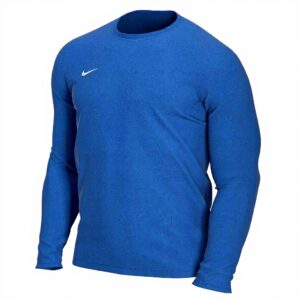
Color retention was another observable quality, particularly noticeable in the royal blue and white version I had chosen. After numerous washes, the colors remained vibrant without the fading that often occurs with frequently worn athletic apparel. This visual durability complemented the functional longevity, creating a product that maintained both its appearance and performance over time rather than degrading quickly with regular use.
Reflection
These observations led me to reflect on how we often underestimate the importance of technical aspects in athletic wear. The difference between clothing that merely covers the body and fabric that actively supports physical activity became increasingly clear through repeated use across different scenarios. I began to understand why specific materials and construction methods matter beyond basic aesthetics or brand recognition. The practical benefits translated directly to more comfortable and focused workouts, where clothing became an enabling factor rather than a potential distraction.
The experience made me reconsider my previous approach to choosing workout gear, which had prioritized price and appearance over technical characteristics. I realized that investing in well-designed athletic wear could enhance the overall exercise experience in ways I hadn’t previously appreciated. The difference wasn’t dramatic or revolutionary but consisted of small, cumulative improvements that made each session slightly more comfortable and enjoyable. These minor enhancements, when experienced consistently across multiple workouts, created a meaningful difference in how I approached physical activity.
I found myself thinking about the relationship between clothing and performance beyond professional athletics. For everyday fitness enthusiasts, the right apparel can make regular exercise more sustainable by removing small barriers and discomforts that might otherwise discourage consistency. Something as simple as a shirt that manages moisture effectively or moves comfortably during various exercises can contribute to maintaining a regular fitness routine by making each session more pleasant from beginning to end.
The reflection extended to how we value different aspects of products we use regularly. The initial cost of quality athletic wear might seem higher, but the durability and consistent performance create value over time that cheaper alternatives often lack. This longevity—both in terms of physical durability and maintained performance—represents a different kind of economy than simple upfront cost savings. The product continues to perform well through months of regular use rather than needing replacement after a shorter period.
I also considered how technical features like moisture-wicking and breathability function across different types of activities and environments. The versatility became valuable not just for dedicated workout sessions but for any situation involving physical exertion, from casual sports to active recovery days. This adaptability made the clothing useful across a broader range of scenarios than specialized gear designed for单一 activity, providing value beyond its intended primary use.
Conclusion
This journey from casual observation to thoughtful reflection changed my perspective on athletic wear in fundamental ways. What began as noticing practical differences in performance evolved into a deeper appreciation for how clothing can support physical activity through thoughtful design and appropriate materials. The experience demonstrated that sometimes the most significant improvements come not from dramatic innovations but from consistent attention to details that enhance daily experiences.
The combination of moisture management, comfortable fit, and durable construction created a product that performed well across the varied activities of my routine, from Kennedy Center weight sessions to outdoor running near Forsyth County Schools facilities. This versatility proved valuable in maintaining comfort and focus regardless of the specific workout or environment, making each session more enjoyable and effective. The clothing became a reliable component of my fitness routine rather than a variable that needed constant attention or adjustment.
What remains most memorable about this experience is how it transformed my understanding of something I had previously taken for granted. Athletic wear transitioned from being merely functional to becoming an integral part of the workout experience, with qualities that actively supported rather than simply accompanied physical activity. This shift in perspective has influenced how I approach other aspects of fitness equipment and apparel, looking beyond surface features to understand how design choices impact actual use.
The reflection continues to inform my choices regarding athletic wear and other fitness-related products. I’ve become more attentive to how clothing interacts with different types of movement and environmental conditions, considering these factors alongside more obvious characteristics like fit and appearance. This more nuanced understanding has enriched my approach to physical activity, making me more aware of how small details can contribute significantly to overall experience and consistency.
Ultimately, the value of well-designed athletic wear lies in its ability to fade into the background during use—to perform its function so effectively that it becomes unnoticeable, allowing complete focus on the activity itself. This quality, achieved through appropriate materials, construction, and design, represents the ideal relationship between clothing and physical exertion. The product supports the activity without demanding attention, creating an environment where movement rather than apparel becomes the primary experience.