Introduction
It started with TCU basketball, as so many of my realizations about comfort and movement seem to these days. I’ve spent countless hours watching games at Schollmaier Arena, observing the fluid movements of players as they pivot, jump, and sprint across the court. There’s something about basketball that makes you think about how your body moves through space, how clothing interacts with that movement, and what true comfort really means when you’re in motion. I never expected that watching TCU basketball would lead me to think so deeply about something as seemingly simple as what I wear underneath my clothes, but sometimes the most profound insights come from the most unexpected places.
Real-life Context
My typical game day involves more than just sitting in the stands. Like many fans, I often arrive hours early to soak in the atmosphere around campus, walking from my parking spot to the arena, sometimes stopping for food or to meet friends. After the game, there’s usually more walking involved – to the car, to post-game gatherings, or just around campus enjoying the energy. On weekends with back-to-back games or tournament watches, these days can stretch into twelve-hour marathons of sitting, standing, walking, and occasionally jumping up during exciting plays. I began noticing that by the end of these long days, I was often thinking less about the game’s outcome and more about how uncomfortable I felt in my own skin, particularly with clothing that didn’t move as my body did throughout the day.
The transition from sitting in cramped arena seats to walking across campus to driving home created a constant cycle of position changes that highlighted where my clothing was working against me rather than with me. I’d find myself adjusting and readjusting, feeling restricted during moments when I wanted to be fully present in the game experience. It was during one particularly intense TCU basketball game against a rival team that I had my first real moment of clarity about this. The game went into overtime, and the extra period meant another thirty minutes of sitting, standing, and the physical tension that comes with close competition. When I finally got home that night, the discomfort was impossible to ignore, and I knew something needed to change.
Observation
What I began to observe was how movement comfort isn’t just about athletic performance – it’s about daily life. The way clothing interacts with your body during simple activities like walking from your car to the office, sitting through long meetings, or even just moving around your home can significantly impact your overall sense of well-being. I started paying attention to the small moments of discomfort throughout my day: the way certain fabrics felt after hours of wear, how seams would create pressure points during extended sitting, and the frustration of constantly adjusting clothing that didn’t stay in place.
I noticed that moisture management became particularly important during those long TCU basketball game days. The excitement of the game, combined with the body heat from crowded arenas and the walking between locations, often left me feeling less than fresh. The technology that athletes use for performance began to make sense for everyday life too. The concept of fabric that could wick moisture away from the body wasn’t just for intense workouts – it mattered for maintaining comfort during any extended period of wer. I started understanding why certain design features, like flat seams and wide hems, could make such a difference in how clothing felt against the skin throughout the day.
The stretch factor became another key observation. Watching basketball players move with such freedom on the court made me appreciate how important flexibility is in clothing. When fabric can move with your body rather than restricting it, everything feels different. I began to notice this in my own movements – reaching for something on a high shelf, bending down to tie my shoes, or even just the natural shifts in position during conversation. Clothing that accommodates movement rather than fighting against it creates a subtle but noticeable improvement in daily comfort.
Reflection
I didn’t realize at the time that these observations about movement and comfort would lead me to reconsider something as fundamental as my choice of underwear. It seems almost trivial when you say it out loud – how much difference can underwear really make in your daily life? But the truth is, it’s the foundation layer that everything else builds upon. If that base layer isn’t working with your body, everything you wear over it will be compromised in terms of comfort and freedom of movement.
Reflecting on those long TCU basketball days helped me understand that comfort isn’t just about avoiding discomfort – it’s about creating conditions where you can forget about your clothing entirely and focus on what matters. When you’re not constantly aware of seams chafing, fabric riding up, or moisture building up, you’re free to be more present in your experiences. Whether that’s cheering for your team during a crucial game moment or simply enjoying a conversation with friends after the game, the absence of distraction from clothing discomfort makes everything more enjoyable.
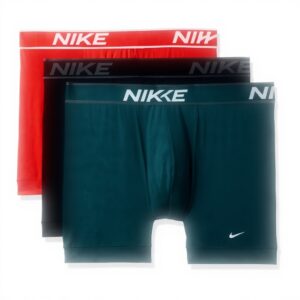
The three-pair concept also gave me pause for reflection. At first, it seemed like a simple convenience factor – having multiple pairs means less frequent laundry. But I came to see it as something more meaningful. Having reliable comfort available consistently, without having to think about it, creates a foundation for better daily experiences. It’s one less thing to worry about, one less variable in the complex equation of daily life. When your base layer is consistently comfortable, it sets a positive tone for everything else you wear and do throughout the day.
I also reflected on how we often prioritize visible clothing over foundational pieces. We’ll spend time and consideration on the shirt or pants someone will see, while giving little thought to what goes underneath. But the truth is, what’s underneath often has more impact on how we feel throughout the day than what’s visible to others. The TCU basketball experience taught me that investing in foundational comfort pays dividends in how you move through your day, how you feel in your body, and ultimately, how you experience the world around you.
Conclusion
My journey from TCU basketball fan to someone who thinks deeply about daily comfort has been unexpected but valuable. What started as noticing discomfort during long game days has evolved into a broader understanding of how clothing interacts with movement in all aspects of life. The principles I observed – moisture management, flexible movement, stay-in-place design, and seam comfort – aren’t just for athletes or special occasions. They’re for anyone who moves through their day wanting to feel comfortable in their own skin.
The connection between watching basketball and understanding clothing comfort might seem distant, but both are ultimately about movement and how we inhabit our bodies in space. Basketball players need clothing that supports their performance, allowing them to focus on the game rather than their gear. In everyday life, we need clothing that supports our daily movements, allowing us to focus on our experiences rather than our discomfort. The translation from court to daily life is more direct than I initially realized.
As I continue attending TCU basketball games and going about my daily routine, I carry with me this deeper appreciation for how small design choices can create significant comfort differences. It’s not about dramatic transformations but rather the subtle accumulation of comfortable moments throughout the day. From walking across campus to sitting through overtime to driving home after a victory, each movement feels different when your clothing works with you rather than against you. And sometimes, the most valuable lessons come not from the game itself, but from what you learn about yourself in the process of being a fan.