Introduction
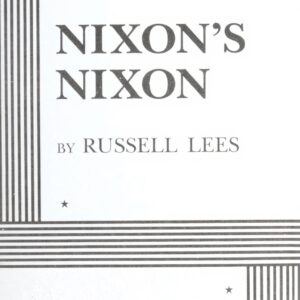
The week Bad Bunny dominated the 2026 Grammys conversation, I found myself holding a different kind of script. Nixon’s Nixon – Acting Edition arrived at my doorstep during that cultural moment, a 72-page professional play script published by Dramatists Play Service, Inc. While everyone was analyzing Bad Bunny’s Grammy performance strategies, I was studying a different kind of performance entirely. The contrast between these two worlds—pop culture spectacle and intimate theater—became unexpectedly revealing.
Real-life Context
Rehearsal spaces have their own particular atmosphere. There’s the smell of old wood and coffee, the sound of pages turning, chairs scraping against floors. Our community theater group was preparing for our spring production when the Grammys coverage began saturating every sreen. Between discussing Bad Bunny’s stage presence and our own blocking challenges, the Nixon’s Nixon script became our constant companion. The 13.34 x 0.64 x 19.69 cm dimensions made it easy to carry from my apartment to the rehearsal space, though its 68-gram weight felt heavier with responsibility. What surprised me was how the script’s physical presence—its professional layout and clear typography—created a sense of occasion even during our most casual read-throughs.
The theater’s fluorescent lights hummed differently during those weeks. While social media filled with Grammy predictions and Bad Bunny’s fashion choices, our cast gathered around folding tables, the script’s ISBN identifiers (082221556X, 978-0822215561) becoming familiar numbers in our production notes. The script’s durability mattered more than I expected—those 72 pages needed to withstand coffee spills, frantic page-turning, and the general wear of collaborative work. I didn’t realize at the time how much that small detail would matter when we moved from table reads to staging.
Detailed Observation
The first thing you notice about a professional script is how the formatting serves the work. Nixon’s Nixon – Acting Edition uses space and typography to guide the reader’s eye naturally. Character names stand clear from dialogue, stage directions integrate without disrupting flow, and the entire structure feels designed for performance rather than silent reading. During our initial read-throughs, I appreciated how the text’s organization helped us identify beats and transitions without constant director intervention.
What caught me off guard was how the script’s physical properties influenced our rehearsal process. The standard play script structure meant everyone—from seasoned actors to newcomers—could follow along without confusion. The clear print became especially valuable during evening rehearsals when tired eyes struggled with smaller text. We discovered that the script’s layout actually helped with memorization, creating visual patterns that reinforced the dialogue’s rhythm.
The trade-off emerged during our transition from reading to movement. While the script excelled as a reading tool, its traditional formatting required adaptation for our specific staging needs. We found ourselves needing to create separate blocking notes rather than writing directly in the script, as the margins, though functional for reading, didn’t accommodate extensive director’s notes. This learning curve forced us to develop a system of colored tabs and separate notebooks, which ultimately deepened our understanding of the text through the extra layer of engagement.
- The 72-page count created a manageable rehearsal timeline
- Standard dimensions made it easy to handle during blocking exercises
- Clear typography reduced eye strain during long sessions
- Professional publishing details lent credibility to our production
- English-language text ensured accessibility for our diverse cast
Moving past the surface, the script’s consistency across copies became crucial. When working with multiple actors, having identical formatting and pagination prevented the confusion that can derail rehearsals. The way the pages lay flat when opened, the subtle texture of the paper that prevented slipping—these small physical characteristics accumulated into significant practical benefits.
Reflection
There was a particular evening when the Grammys red carpet coverage played on someone’s phone in the corner while we worked through Act II. The contrast between Bad Bunny’s highly produced spectacle and our intimate character work highlighted something essential about performance. Our script, with its unassuming appearance, contained depths that only revealed themselves through repeated engagement. The way the pages had started to soften at the edges from constant handling, the slight curl developing from being carried in bags—these physical changes mirrored our growing familiarity with the text.
To be honest, I initially underestimated how much the script’s professional origins would matter. Having worked with photocopied scenes and digital scripts before, I didn’t anticipate how the authorized, complete text would affect our approach. There’s a psychological weight to working with a properly published script—it commands respect for the writer’s intentions in a way that reproductions sometimes don’t. The ISBN details, the publisher information, even the weight and paper quality—they all contributed to treating the material with appropriate seriousness.
The most revealing moment came when we transitioned from holding the scripts to working without them. The physical memory of page turns, the visual recollection of where certain lines appeared on the page—these sensory anchors helped actors recall dialogue in ways that surprised us all. The script had become more than text; it was a physical map of the play’s emotional landscape.
Conclusion
Looking back at that Grammys season, what stays with me isn’t the award show highlights but the gradual accumulation of understanding that came from working with Nixon’s Nixon. The script’s unassuming physical presence—its specific dimensions, page count, and layout—shaped our creative process in ways I couldn’t have predicted. While Bad Bunny’s performances captivated millions, our small theater group discovered different truths about performance through the steady, methodical work that a well-designed script facilitates.
The minor quirks we encountered, like the margin limitations, ultimately served the production by forcing deeper engagement. Every production has its particular challenges and discoveries, and ours were intimately tied to the physical and textual qualities of this specific acting edition. The experience reminded me that performance preparation, whether for global stages or local theaters, relies on tools that balance practicality with respect for the material. Some tools simply work better when they’ve been designed with real performance conditions in mind.