Introduction
There’s something about Brandi Carlile’s music that demands movement. The raw energy in her voice, the driving rhythms of her band, the way each song builds to these incredible crescendos – it all makes me want to push harder, move faster, and feel more alive. I remember the first time I heard “The Story” during a treadmill session, how her voice climbing toward tat final chorus made me forget I was running at all. The music carried me, but my clothing didn’t. That disconnect between what I was feeling and what I was wearing started a search that eventually led me to understand what truly matters in athletic wear.
For years, I’d been grabbing whatever shorts were clean and available, never really considering how they affected my performance or comfort. I assumed all athletic shorts were basically the same – some fabric stitched together with an elastic waistband. But that day, sweating through another mediocre workout while Brandi’s powerful vocals filled my headphones, I realized my gear was holding me back from fully embracing the energy her music creates. The discomfort was subtle but persistent – that damp feeling when fabric clings to skin, the constant adjustments needed during dynamic movements, the distraction of feeling either too constrained or too loose.
This realization wasn’t about becoming a professional athlete or achieving some impossible fitness standard. It was about removing barriers between me and the experience I wanted to have. When music moves you that deeply, when it makes you want to push past what you thought were your limits, the last thing you should be thinking about is whether your clothing is working against you. That moment of clarity sent me on a journey to find shorts that could keep up not just with my body, but with the emotional intensity that great music like Brandi Carlile’s brings to a workout.
Real-life Context
My typical workout routine varies depending on the day and my energy levels, but music is always the constant. Some days it’s early morning runs through my neighborhood as the sun rises, other days it’s weight training at the gym, and sometimes it’s just a spontaneous dance session in my living room when a particularly good song comes on. Brandi Carlile’s music has become a staple across all these activities because it matches whatever mood I’m in – her quieter, more introspective songs for cool-down stretches, her upbeat tracks for cardio sessions, and her anthemic numbers for when I need that extra push.
What I began noticing during these varied activities was how differently my body responded to movement depending on what I was wearing. On running days, the shorts I’d been using would often ride up or require constant pulling down, breaking my rhythm and distracting me from the music. During gym sessions, some shorts felt too loose during squats or lunges, while others felt restrictive during overhead movements. And during those impromptu dance moments, I’d often find myself overheating quickly, the fabric becoming damp and uncomfortable against my skin.
The turning point came during a particularly humid summer evening run. I had Brandi’s “Hold Out Your Hand” playing, that driving beat pushing me to maintain pace despite the oppressive heat. About twenty minutes in, I became acutely aware of how soaked my shorts were, how they clung uncomfortably to my thighs with every stride, how the waistband had started to chafe. Instead of focusing on the music and my movement, I was constantly adjusting, pulling fabric away from skin, wishing I could just be comfortable. That experience made me realize I needed to approach athletic wear with the same intentionality I brought to my music selection.
I started paying closer attention to what actually happened during my workouts rather than what I assumed should happen. I noticed patterns – when I felt most restricted, what activities caused the most discomfort, how different fabrics responded to sweat. This observational approach felt similar to how I listen to music now, noticing the layers in Brandi Carlile’s arrangements, how each instrument supports the others, how the production choices enhance rather than overwhelm the emotional core of the song. Both required moving past surface impressions to understand how components work together to create a better experience.
Observation
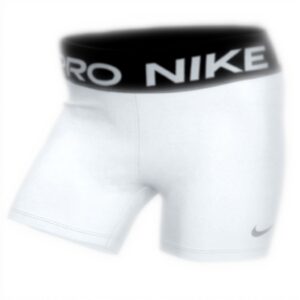
When I first tried the Nike Women’s Pro Shorts, it was during a week of varied workouts that mirrored my usual routine. I wanted to see how they performed across different contexts rather than just one specific activity. The first thing I noticed was the fabric itself – it felt different from my previous shorts, smoother and more substantial while still being lightweight. During a morning run while listening to Brandi Carlile’s “The Joke,” I paid attention to how the shorts moved with me rather than against me. The body-hugging fit provided support without constriction, and I didn’t find myself constantly adjusting them as I had with previous pairs.
The real test came during a humid evening gym session. I was doing circuit training that mixed cardio bursts with strength exercises, and Brandi’s more upbeat tracks from “By the Way, I Forgive You” kept the energy high. About halfway through, I realized something was different – I wasn’t feeling that familiar damp, heavy sensation I usually experienced during intense workouts. The shorts seemed to be managing moisture in a way I hadn’t experienced before, keeping me noticeably drier even as I worked up a serious sweat. This was the Dri-FIT technology I’d read about, but experiencing it firsthand felt different than reading a product description.
What surprised me most was how this moisture management affected my focus. Instead of being distracted by discomfort, I found myself more immersed in the music and movement. During dynamic exercises like jumping jacks or high knees, the shorts stayed in place without riding up or needing adjustment. The wide mid-rise elastic waistband provided secure comfort without digging in, something I particularly appreciated during floor exercises and stretches. The freedom of movement felt natural, like the shorts were an extension of my body rather than separate clothing I had to accommodate.
I also noticed differences in how the shorts performed across temperature variations. During an outdoor workout in cooler morning air, they provided enough coverage without feeling bulky. During indoor sessions where the temperature was warmer, they remained breathable without becoming clingy. This versatility meant I could wear them for different types of activities without having to change, which simplified my routine. The available size range meant finding a proper fit was straightforward, and having both short and regular length options accommodated different preferences for coverage.
Reflection
It took me several weeks of consistent use to fully appreciate what these shorts offered beyond the immediate physical benefits. I didn’t realize at the time that this would be so important, but the cumulative effect of comfortable workouts began shifting my relationship with exercise itself. Instead of dreading certain activities because of anticipated discomfort, I found myself looking forward to movement sessions. The reliability of having gear that worked with my body rather than against it created mental space I hadn’t realized I was missing.
This experience made me reflect on how we often accept minor discomforts as inevitable parts of activities we enjoy. We assume that some level of distraction or annoyance is just part of the process, whether it’s clothing during workouts, background noise during music listening, or any number of small irritations in daily life. But when you remove those friction points, you create room for deeper engagement with the experience itself. For me, that meant being able to fully immerse myself in Brandi Carlile’s emotional storytelling during runs instead of thinking about adjusting my shorts.
I also began thinking about how performance features like moisture-wicking technology matter beyond just physical comfort. The psychological impact of staying dry during intense activity is subtle but significant. That damp, heavy feeling when fabric becomes saturated with sweat isn’t just physically uncomfortable – it mentally reinforces exhaustion and struggle. Conversely, staying relatively dry creates a different psychological environment, one where you feel more capable and less burdened. It’s a small shift, but over time, these small shifts accumulate into meaningful changes in how we approach challenging activities.
The body-hugging fit initially made me slightly self-conscious, as I’d typically worn looser athletic shorts. But I came to appreciate how the supportive design actually made me more aware of my body’s movements and alignment during exercises. This heightened bodily awareness felt similar to how listening closely to music reveals layers and details you might otherwise miss. Both required letting go of initial discomfort to access a richer experience. The shorts became less about how I looked and more about how they helped me connect with what my body could do.
This reflection period also made me consider the relationship between quality and cost. The higher price point initially gave me pause, but after experiencing the difference these shorts made in my workout consistency and enjoyment, I began seeing them as an investment in my wellbeing rather than just another clothing purchase. The durability became apparent over time too – after multiple washes and regular use, they maintained their shape and performance features without pilling or stretching out, which meant I wasn’t constantly replacing inferior shorts.
Conclusion
What started as a search for better workout shorts became a lesson in how the right tools can transform our experiences. The connection between Brandi Carlile’s music and my athletic wear might seem unlikely, but both serve the same purpose – they remove barriers between me and the experience I want to have. Her music cuts through distraction to deliver emotional truth, and quality athletic wear cuts through physical discomfort to deliver movement freedom. Both allow for deeper immersion in the moment.
I’ve come to see these shorts not as a luxury item but as essential equipment for anyone who takes their movement practice seriously, whatever that practice looks like. The specific combination of Dri-FIT technology for moisture management, the athletic fit for support and freedom, and the thoughtful design elements like the wide waistband all work together to create something greater than the sum of its parts. They’ve become my go-to for any activity where comfort and performance matter, from serious training sessions to casual weekend movement.
The most valuable insight from this experience has been understanding how much we tolerate minor discomforts that gradually diminish our enjoyment of activities we love. Making intentional choices about the tools and clothing we use for these activities isn’t frivolous – it’s a way of honoring the time we invest in ourselves. Whether it’s finding the right music for your mood or the right shorts for your workout, these choices accumulate into a better quality of experience over time.
Now when I put on these shorts for a run with Brandi Carlile’s powerful vocals pushing me forward, there’s no disconnect between the energy I feel and the clothing I’m wearing. They work together seamlessly, allowing me to focus entirely on the music and movement rather than distractions. That harmony between what we wear and what we do might seem like a small thing, but it’s these small things that often make the biggest difference in how we experience the activities that bring us joy and fulfillment.